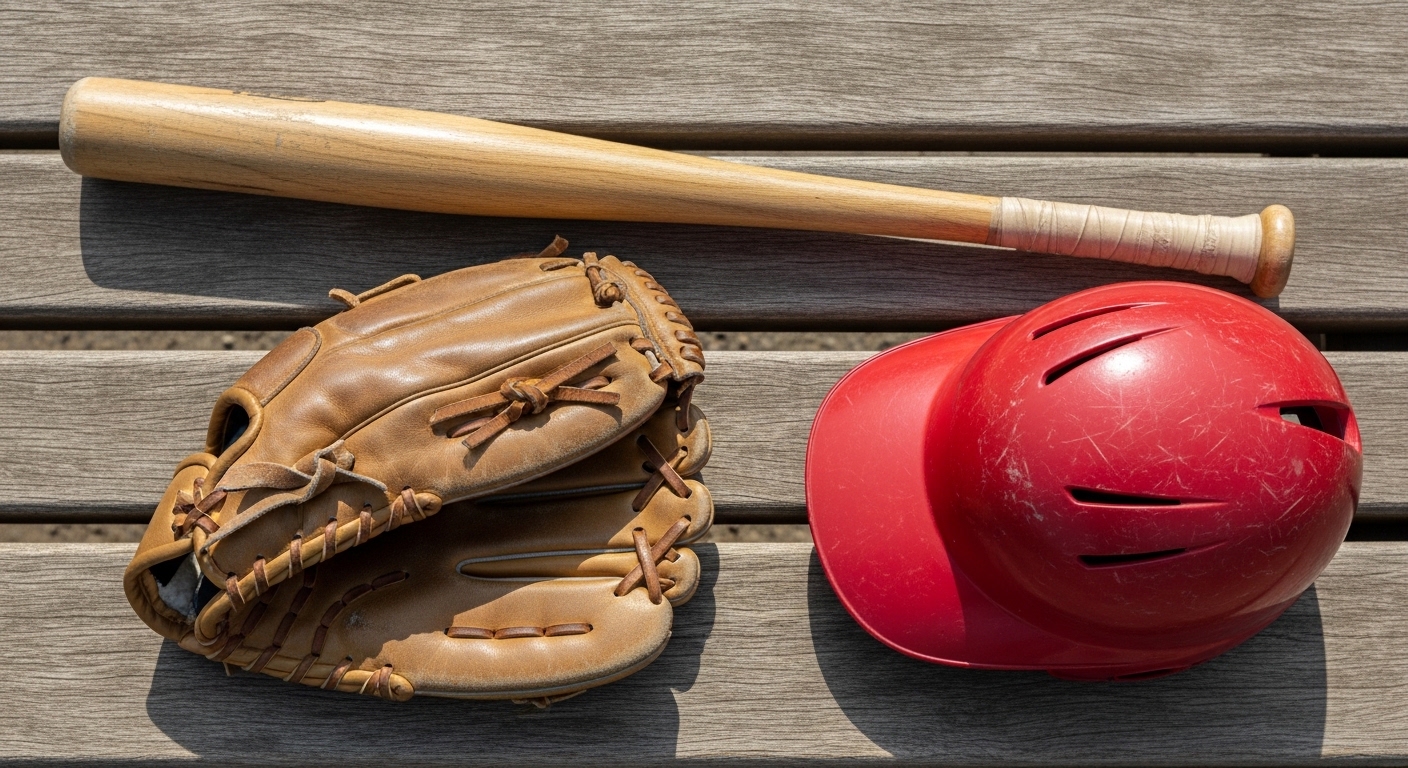
A mom walked up to me at our first fall practice holding a brand-new glove — still in the box, tags on. “I got the biggest one they had so he can grow into it.” The glove was nearly 13 inches. Her 9-year-old tried to catch a soft toss and the ball buried so deep in the pocket he couldn’t find it to throw it back. We spent the first 20 minutes of practice just finding him a loaner.
Glove sizing is one of those things parents don’t know they need to research until they’ve already made the mistake once. Here’s how to get it right the first time.
The Short Answer: Youth Glove Sizes by Age
The right glove size depends primarily on age, with position and hand size as secondary factors:
| Age | Recommended Glove Size |
|---|---|
| 4–6 (T-ball) | 9”–10” |
| 7–8 (8U) | 10”–10.5” |
| 9–10 (10U) | 10.5”–11” |
| 11–12 (12U) | 11”–11.5” |
| 13–14 (13U/14U) | 11.5”–12” |
| High school | 11.5”–12.5” (position-dependent) |
These sizes apply to standard fielder’s gloves for infield and outfield. Catcher’s mitts and first baseman’s mitts are measured differently — see below. If your player is at the smaller end of their age group’s hand size, start at the lower end of the range.
Why Getting the Size Right Actually Matters
An oversized glove creates real skill problems. The pocket is too deep, the fingers are too long, and young players can’t close it fast enough to secure the ball. Kids start using two hands awkwardly, or they start flinching on grounders because they keep dropping the ball. That’s not a catching problem — it’s a glove problem.
The research we’ve reviewed from glove-fit experts and youth coaches reinforces what we see every season: an ill-fitting glove is the single most common equipment barrier to kids learning to catch. A glove that closes properly at the right size is a fundamentals tool, not just a purchase.
Sizing by Position
Infielders (2B, SS, 3B): Use the lower end of the age range. A shorter glove — say 10.5” for a 10U player — allows a quicker transfer from glove to throwing hand. Flat webs and modified trap webs work best here.
Outfielders: Go to the top of the age range and prioritize a deeper pocket. An 11” to 11.5” glove for a 10U–12U outfielder gives enough surface area for fly balls. H-web and trapeze web styles let players see through the pocket when tracking balls in the air.
Pitchers: Use a closed web — solid or modified trap — so the grip isn’t visible to batters. Size follows the infielder range for the age group.
First Baseman’s Mitts: These are longer with a scoop shape and run 11.5”–12” for youth regardless of age group. If your player is primarily at first, the dedicated mitt is worth it. If they rotate positions at 8U or 10U, a standard glove is fine.
Catcher’s Mitts: Measured by circumference, not length. Youth catchers through 12U typically use 31”–32” circumference mitts. Don’t buy a catcher’s mitt for a 7-year-old unless they’re genuinely behind the plate full-time — most rec leagues don’t require it that young.
How to Check Fit Before You Buy
A sizing chart gives you the right aisle to shop in. These four checks tell you whether a specific glove fits your player:
Materials and Price: What You’re Actually Getting
Under $40 — synthetic leather or vinyl: These gloves often stay stiff and never properly form a pocket, no matter how much you work them. Laces fray by mid-season. Fine for a 5-year-old in T-ball who might not continue in the sport. Not appropriate for any player who is practicing regularly.
$40–$90 — mid-grade genuine leather: This is the sweet spot for the majority of youth players from 8U through 12U. Rawlings, Mizuno, and Wilson all have solid options here. These gloves break in well, hold their shape for a full season, and don’t require exotic conditioning oil. The quality jump over synthetic gloves is meaningful and worth the extra $20–30.
$90–$150+ — premium leather: Reserve these for high school players who know their position and will use the same glove for two or three seasons. The quality is real — American steer hide takes more break-in but holds up longer; Japanese kip leather is softer out of the box with a tighter grain — but the difference is wasted on an 8-year-old who will outgrow it in a year.
The Mistake We See Every Season: Buying to Grow Into
I’ve seen this from T-ball through high school. Parents buy a 12” glove for a 9-year-old to avoid buying another one next season. The result: that oversized glove slows development for one to two full years. A properly fitted $60 glove that gets replaced after two seasons is a better investment than an $80 glove your player can’t catch with.
The kids who field effortlessly at 10U are almost always in a properly fitted glove that’s been broken in well. Glove fit is a coaching variable — we treat it the same way we treat stance or footwork.
Once you’ve found the right size, our step-by-step glove break-in guide walks through exactly how to get a new glove game-ready in a week. And when you’re ready to compare specific models at each price point, our best youth baseball gloves for 2026 covers what we’ve actually put in players’ hands across our program this season.
Where to Shop
For specific model recommendations and in-season availability, youth baseball gloves at theranchsports.com carries a solid mid-grade selection — 10% off and no sales tax, which adds up when you’re outfitting multiple kids in the same family. That said, for a first glove on a younger player, going in-store and having them try it on is worth the trip. The fit checks above take two minutes and save a season of frustration.
For our full library of baseball coaching resources — from first practice to high school recruiting — visit our baseball coaching hub. And if you’re new to coaching, our beginner’s guide to coaching youth baseball covers gear, lineups, and what to prioritize in year one.