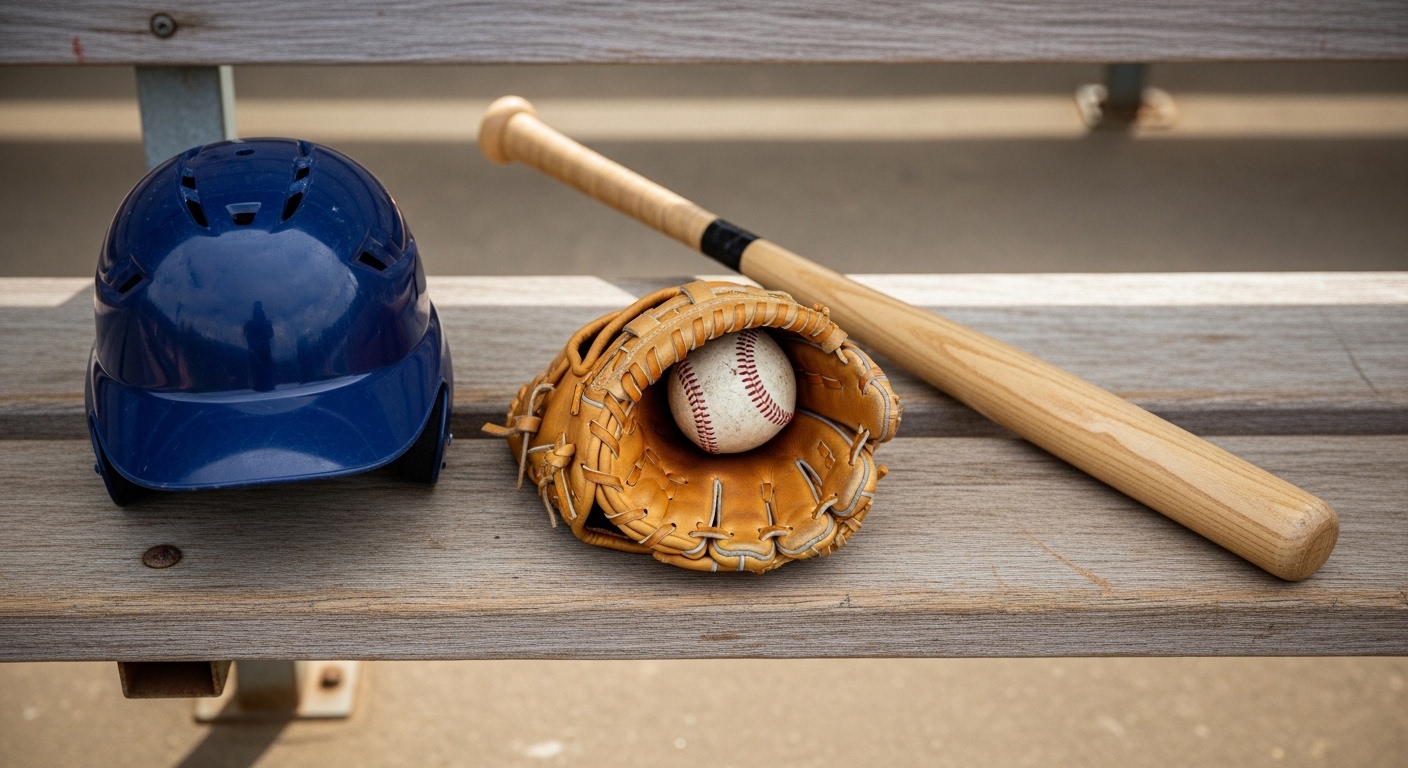
A 9-year-old showed up to our 9U practice last spring wearing a 12.5-inch outfield glove his dad had bought “so he could grow into it.” The kid was playing shortstop. Every ground ball that hit his pocket either popped right out or got swallowed so deep he couldn’t find it in time to throw. By the third infield rep, he’d stopped trying to use proper catching technique entirely — he was just clamping his hand shut and hoping.
The right glove size is the most important thing you’ll buy this season. For most youth players ages 7–12, an 11–11.5-inch glove covers infield and general use; outfielders 11–13 can go 11.5–12 inches. A glove that’s too large does more damage to fielding mechanics than a worn-out glove in the right size. Buy for now — you can upgrade later.
Who This Guide Is For
This is a coach-first glove guide, not a product ranking list. We work with players from 7U tee-ballers through high school varsity, and we see the same buying mistakes every spring: gloves too big, too stiff, or too expensive for where a kid actually is in their development. What follows is what we tell parents in the dugout. (Shopping for the other half of the bag? Our 2026 youth baseball bat guide follows the same fit-first approach.)
Glove Sizing by Age and Position
Get this right before you look at brands or price. Here’s the breakdown we use at our program:
| Age Range | Position | Glove Size |
|---|---|---|
| 5–7 (T-ball / coach pitch) | All positions | 9–10 inches |
| 8–10 (8U–10U) | Infield / Pitcher | 10.5–11 inches |
| 8–10 (8U–10U) | Outfield | 11–11.5 inches |
| 11–12 (11U–12U) | Infield / Pitcher | 11–11.5 inches |
| 11–12 (11U–12U) | Outfield | 11.5–12 inches |
| 13+ | Infield | 11.25–11.75 inches |
| 13+ | Outfield | 12–12.75 inches |
A quick field test: have your player make a fist inside the glove. If their knuckles don’t reach the back panel, it’s too big. If the glove closes completely around a ball without a fight, the size is right.
The Three Tiers: What to Buy at Each Level
Tier 1 — Beginning / Recreational (Under $60)
Best pick: Rawlings Select Pro Lite
The Select Pro Lite ships with a 90% factory break-in, which is non-negotiable for players under 10. Young players — especially 7–9-year-olds — do not have the hand strength to break in a stiff glove; grip strength develops gradually at this age, as we cover in our guide to athletic development for ages 6–10. A glove that doesn’t close properly in the first two weeks of the season creates panic-catching habits that take a full year to unlearn. The soft leather construction on the Select Pro Lite lets kids focus on mechanics, not fighting their equipment.
Wilson’s A500 is a strong alternative at this tier. Either works well for recreational leagues and players just getting started.
Tier 2 — Competitive / Travel Ball ($60–$130)
Best pick: Rawlings R9 Series
For players in travel or competitive rec leagues who practice three or more days a week, the R9 is where the investment makes sense. Full leather construction, a well-formed pocket out of the box, and it holds its shape through a full season of heavy use. We’ve run several players through an 80-game travel season on the R9 with no lacing failures or significant pocket issues.
Wilson’s A1000 competes directly with the R9 at this price point and tends to run slightly narrower in the palm — worth noting for players with wider hands.
The Mizuno Prospect Elite is worth a look for players who prefer a deeper pocket immediately. Mizuno’s Powerlock closure gives younger players an easier time keeping the glove secure during play, which matters more than most gear guides acknowledge.
Tier 3 — High School / Advanced Travel ($130+)
Best pick: Wilson A2000 / Rawlings Pro Preferred
At this level, you’re buying for a player who has a defined position, plays 100+ games a year, and will spend real time on break-in. The A2000 uses Pro Stock leather that molds to the hand across a full season. This is not a glove for a 10-year-old — it’s a glove for a 15-year-old who’s committed to one spot and ready to invest six to eight weeks of catch sessions to break it in properly.
If your player is at this level, youth baseball gloves at theranchsports.com carries several A2000 and Pro Preferred models with no sales tax and 10% off your first order.
Leather vs. Synthetic: The Real Coaching Answer
Most buying guides give you a spec-sheet comparison. Here’s the practical version:
Under 10 years old: Synthetic or soft-leather hybrid, full stop. The priority is a glove that closes correctly. Rawlings’s soft leather on the Select Pro Lite hits the sweet spot — it feels like real leather and breaks in without a fight.
10–12 years old in competitive ball: Move to full leather. These players are developing real hand strength and will benefit from a glove that molds to their technique over a season.
13 and up with a defined position: Invest in quality full-grain leather. At this level, the break-in is part of the relationship between a player and their glove — it’s a worthwhile investment of time, not a chore to skip.
The mistake we see most: parents buying synthetic for a 13-year-old because it’s easier out of the box, and the player never develops the glove-care habits — conditioning, proper storage, lacing checks — that extend equipment life at the high school level.
The “Buy to Grow Into It” Mistake
I want to revisit the oversized glove problem directly because we see it every single season at 8U–10U.
When a glove is too large, two things happen at once. First, the player can’t close it quickly — the pocket depth on a 12-inch glove is designed for an adult hand with adult grip strength. Second, the ball bounces around in the oversized pocket, and the player compensates by “alligator clapping” — snapping the glove shut with their throwing hand rather than using the pocket correctly. That is a throwing-hand injury waiting to happen, and it’s a fielding habit that follows players into high school.
Buy the right size now. If the glove is genuinely too small at the start of next season — not just snug, but actually restrictive — that’s your natural upgrade window. Moving up one size is a $60–$80 decision. Retraining two years of compensated fielding mechanics takes most of a season.
Glove Break-In: What We Actually Do With New Gloves
Most articles give you a single paragraph on break-in. Here’s the four-step sequence we walk first-time glove owners through at the start of each season:
Position Transitions: Do You Need a New Glove?
This comes up constantly — a player works infield all fall and gets moved to center field in the spring. Do they need a new glove?
Under 12: probably not. An 11-inch glove is playable at both infield and outfield at the youth level. The positions aren’t differentiated enough at 10U–12U to justify separate equipment for most players — in fact, our 12U practice plan deliberately rotates every player through infield and outfield stations.
At 13U and up — especially if a player is committing to the outfield — a 12–12.5-inch glove makes a measurable difference in range and catch radius on balls hit to the gaps. That’s a worthwhile upgrade conversation at that stage.
The clear exception: catchers and first basemen always need position-specific mitts. Using a standard fielder’s glove behind the plate at 10U and above creates real hand-safety risks with hard-throwing pitchers. This is not optional equipment.
Our Top Picks at a Glance
- 5–7 years old, T-ball/coach pitch: Rawlings Select Pro Lite (9–10 inches)
- 8–10 years old, rec ball: Rawlings Select Pro Lite or Wilson A500 (10.5–11 inches)
- 8–10 years old, travel: Rawlings R9 (11 inches)
- 11–12 years old: Rawlings R9, Wilson A1000, or Mizuno Prospect Elite
- 13+ / high school: Wilson A2000 or Rawlings Pro Preferred
For more gear recommendations and drill resources from our coaching staff, visit our baseball coaching resources page.